
Fruiting crops
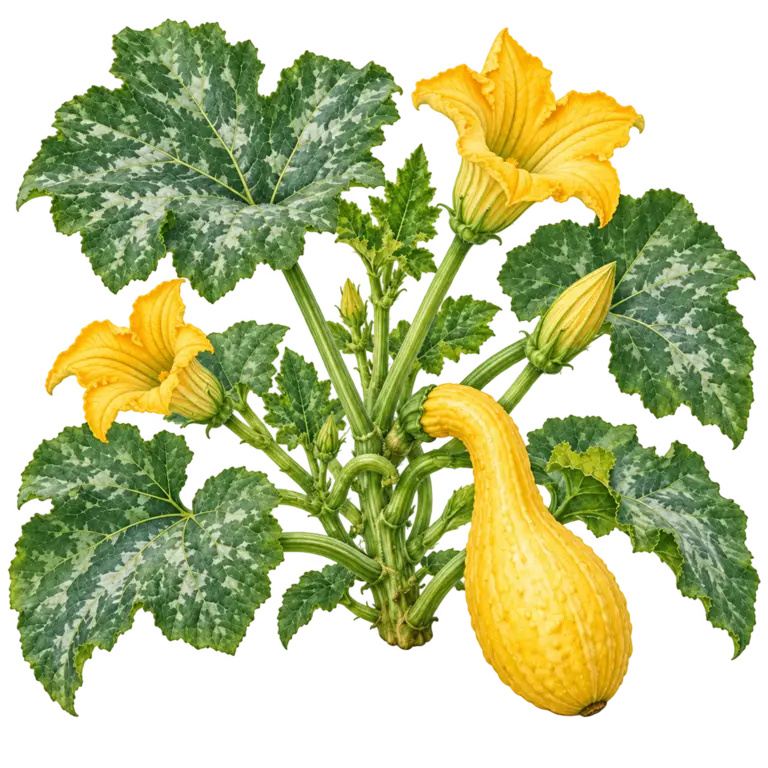
Squash
Young fruit to cut often while the skin is tender.
Sowing & planting windows in Australia
Planting timing varies by broad Australian gardening zone. Local weather, unusual seasons and your garden’s microclimate can shift timing.
Cool
Sow · Sep–Dec
Core months: September, October, November, December
Possible / shoulder months: January, August
Temperate
Sow · Jan, Sep–Dec
Core months: January, September, October, November, December
Possible / shoulder months: July, August
Subtropical
Sow · Jan–Feb, Aug–Dec
Core months: January, February, August, September, October, November, December
Tropical
Sow · Mar–Jul
Core months: March, April, May, June, July
Possible / shoulder months: February, August, September, October, November
Arid
Sow · Sep
Core months: September
Possible / shoulder months: January, October, November, December
Getting started
Start seed in warmth or sow into warm soil after cold risk has passed; harden seedlings before planting out.
The right conditions
Choose full sun, fertile free-draining soil and reliable moisture.
As it grows
Give vines or bushes room, water at soil level and check flowers and growing tips for pests or poor pollination.
Ready to harvest
Cut young fruit frequently for best texture.
Related how-to guides
Harvest fruiting vegetables without damaging the plant
Check the plant guide: tomatoes colour at ripeness, while zucchini, cucumbers and many eggplants are usually picked immature and tender.
Cure and store pumpkins and winter squash
Check variety maturity: the rind should be developed and firm and the stalk beginning to dry.
Hand-pollinate pumpkin, squash and zucchini
Check that pollination is the likely issue.
Check a crop’s pollination needs
Identify the crop and cultivar: self-fertile, self-incompatible, separate male and female plants, and seedless fruiting types have different needs.
Plant guidance: Desk-reviewed; not field-tested. Planting windows are a guide rather than a rule.