
Herbs
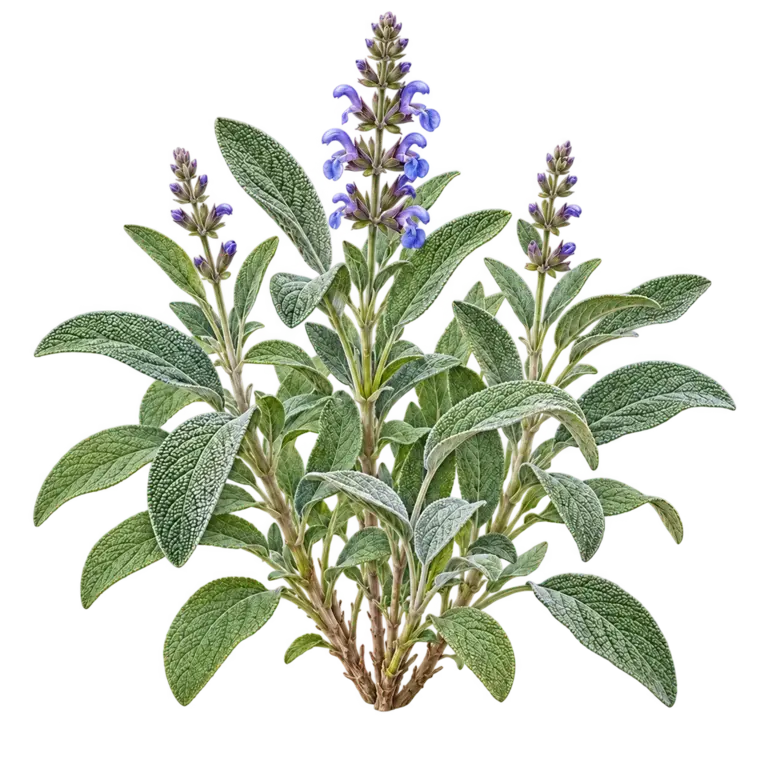
Sage
A perennial herb for modest harvests of leaves and short shoots.
Sowing & planting windows in Australia
Planting timing varies by broad Australian gardening zone. Local weather, unusual seasons and your garden’s microclimate can shift timing.
Cool
Sow · Sep–Nov
Core months: September, October, November
Possible / shoulder months: December
Temperate
Sow · Sep–Nov
Core months: September, October, November
Possible / shoulder months: January, December
Subtropical
Sow · Aug–Nov
Core months: August, September, October, November
Possible / shoulder months: January, February, March, April, May, June, July, December
Tropical
Sow · Apr–Jul
Core months: April, May, June, July
Possible / shoulder months: January, February, March, August, September, October, November, December
Arid
Sow · Sep–Dec
Core months: September, October, November, December
Possible / shoulder months: January, February, March, April, May, June, July, August
Getting started
Start from seed, or use cuttings when a named plant's traits need to be retained; plant into free-draining soil.
The right conditions
Choose sun to light shade and fertile, free-draining soil; protect from harsh heat where appropriate.
As it grows
Water while establishing, then avoid prolonged waterlogging. Trim or pinch regularly to encourage useful leafy growth and airflow.
Ready to harvest
Pick individual leaves or short shoots, leaving enough growth for the perennial plant to recover.
Related how-to guides
Root a low stem by layering
Choose a healthy flexible stem that reaches the soil without cracking.
Harvest herbs and pinch basil for more growth
Identify the culinary herb and edible part.
Prune rosemary, sage and other woody herbs gently
Check how the herb grows and where green leafy shoots remain.
Plant guidance: Desk-reviewed; not field-tested. Planting windows are a guide rather than a rule.