
Pods & fruit
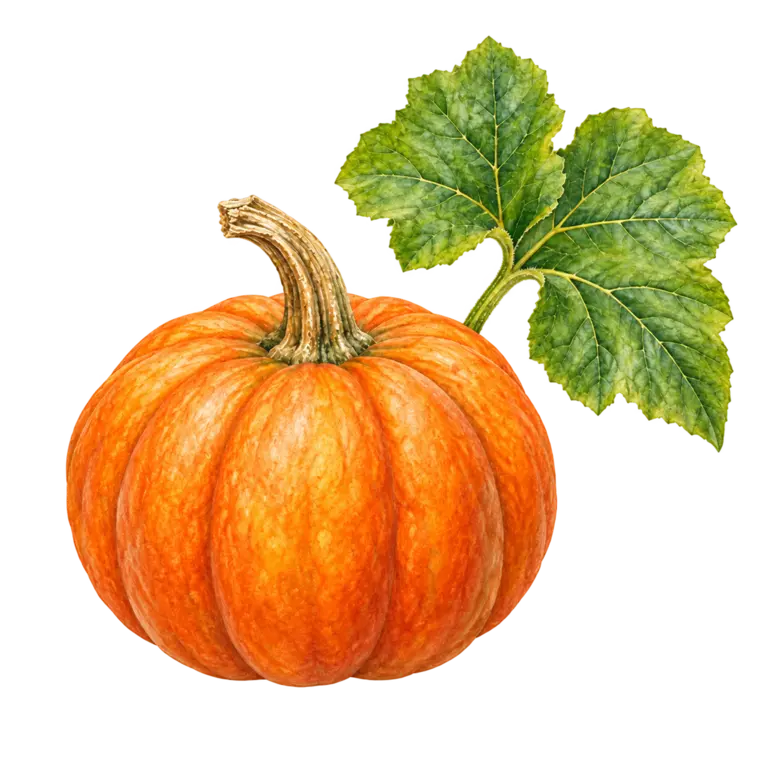
Pumpkin
Spreading vines and fruit that matures on the plant.
Sowing & planting windows in Australia
Planting timing varies by broad Australian gardening zone. Local weather, unusual seasons and your garden’s microclimate can shift timing.
Cool
Sow · Oct-Dec
Core months: October, November, December
Temperate
Sow · Sep-Dec
Core months: September, October, November, December
Subtropical
Sow · Aug-Mar
Core months: January, February, March, August, September, October, November, December
Tropical
Sow · Mar-Aug
Core months: March, April, May, June, July, August
Arid
Sow · Aug-Dec
Core months: August, September, October, November, December
Getting started
Sow directly into warm soil, or start in individual pots and transplant with minimal root disturbance after frost risk has passed.
The right conditions
Give plants a sunny, fertile, well-drained site and plenty of space for their vines. Match the variety to the space available.
As it grows
Water during dry spells, especially as fruit develops. Flowers need successful pollination to set fruit. Keep an eye on fruit as the vines spread so it can develop without damage.
Ready to harvest
Let fruit mature on the vine until the skin is hard and the stalk begins to dry. Cut with a piece of stalk attached, handle carefully and keep storage fruit in a dry, airy place.
Related how-to guides
Harvest edible flowers safely
Confirm the exact species and edible part.
Cure and store pumpkins and winter squash
Check variety maturity: the rind should be developed and firm and the stalk beginning to dry.
Hand-pollinate pumpkin, squash and zucchini
Check that pollination is the likely issue.
Check a crop’s pollination needs
Identify the crop and cultivar: self-fertile, self-incompatible, separate male and female plants, and seedless fruiting types have different needs.
Plant guidance: Desk-reviewed against linked sources; not field-tested. Planting windows are a guide rather than a rule.